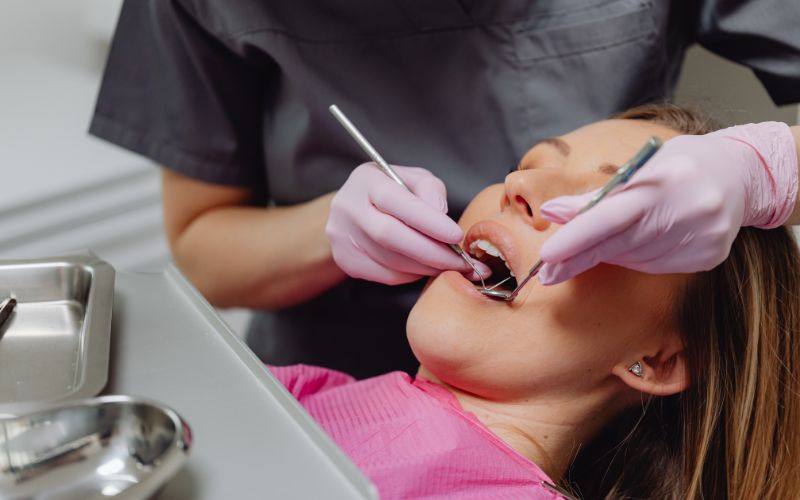
A severe toothache during an important meeting. A chipped tooth while enjoying dinner. A sudden swelling that makes it difficult to eat or speak. Dental emergencies rarely happen at convenient times, but knowing how to respond can help prevent long-term complications.
If you are living, working, or spending time near, understanding when to seek emergency dental care is essential. Prompt treatment not only relieves pain but can also save your natural teeth and prevent infections from worsening.
Many people delay seeing a dentist, hoping the problem will resolve on its own. Unfortunately, some dental issues progress quickly and require immediate professional attention. Knowing the difference between a routine dental concern and a true emergency can protect both your oral health and overall wellbeing.
Understanding What Counts as a Dental Emergency
A dental emergency refers to any oral health condition that requires urgent assessment and treatment to stop bleeding, relieve severe pain, manage infection, or save a tooth.
Common dental emergencies include:
- Severe and persistent toothaches
- Knocked-out permanent teeth
- Cracked or fractured teeth
- Facial swelling caused by infection
- Bleeding that does not stop
- Loose or displaced teeth after trauma
- Lost crowns or fillings causing severe discomfort
- Gum infections accompanied by pain and swelling
Not every dental problem requires same-day treatment. However, if you are experiencing intense pain, swelling, or trauma, it is always safer to seek professional advice immediately.
Severe Tooth Pain: Don’t Ignore It
A toothache is one of the most common reasons people seek emergency dental care.
While mild sensitivity may not be urgent, severe pain often signals an underlying issue that needs prompt attention.
Possible causes include:
- Deep tooth decay
- Infection within the tooth pulp
- Dental abscess
- Cracked teeth
- Advanced gum disease
- Impacted wisdom teeth
Pain that wakes you at night, interferes with eating, or persists despite over-the-counter medication should never be ignored.
Early treatment often prevents the need for more extensive procedures later.
Facial Swelling Could Indicate an Infection
Swelling around the cheeks, jaw, or gums is a warning sign that requires immediate attention.
Dental infections can spread beyond the mouth if left untreated. In severe situations, they may affect the surrounding tissues and compromise general health.
Seek urgent dental care if swelling occurs alongside:
- Fever
- Difficulty swallowing
- Difficulty breathing
- Pus discharge around the gums
- Swollen lymph nodes
- Increasing facial asymmetry
These symptoms may indicate a spreading infection that requires prompt management.
Knocked-Out Teeth: Every Minute Matters
Accidents can happen during sports, falls, or unexpected trauma. If a permanent tooth has been knocked out, acting quickly can significantly improve the chances of saving it.
Here’s what you should do:
Step 1: Handle the Tooth Carefully
Pick up the tooth by its crown, which is the visible chewing surface. Avoid touching the root.
Step 2: Rinse Gently
If the tooth is dirty, rinse it briefly with clean water. Do not scrub or use soap.
Step 3: Reinsert if Possible
If comfortable, gently place the tooth back into its socket.
Step 4: Store It Correctly
If reinsertion isn’t possible, place the tooth in milk or inside the cheek using saliva to keep it moist.
Step 5: Visit an Emergency Dentist Immediately
The first hour after the injury provides the best chance for successful reimplantation.
Cracked, Chipped, and Broken Teeth Need Prompt Attention!
Not every chipped tooth is a dental emergency. However, larger fractures can expose sensitive inner structures of the tooth.
Seek emergency assessment if you experience:
- Sharp pain while chewing
- Sensitivity to temperature
- Bleeding around the tooth
- Visible cracks extending below the gumline
- Swelling near the affected area
Ignoring damaged teeth may increase the risk of infection or complete tooth loss.
Lost Fillings and Crowns: More Than an Inconvenience
Crowns and fillings protect weakened teeth. When they become dislodged, the underlying tooth structure is exposed.
You should arrange an urgent dental visit if:
- The exposed tooth causes pain
- You cannot eat comfortably
- Sharp edges irritate your tongue or cheeks
- The tooth becomes increasingly sensitive
Avoid using household adhesives to secure dental restorations.
Wisdom Tooth Problems That Require Urgent Care
Wisdom teeth can sometimes erupt without issues. However, impacted or partially erupted wisdom teeth may cause emergencies.
Warning signs include:
- Severe pain at the back of the mouth
- Swollen gums
- Difficulty opening the mouth
- Bad taste or unpleasant breath
- Facial swelling
Early intervention can prevent the infection from worsening.
Dental Emergencies Common Among Orchard Road Professionals
As one of Singapore’s busiest commercial and lifestyle districts, Orchard Road is home to professionals with demanding schedules.
Unfortunately, delayed treatment is common.
Some frequently seen dental emergencies include:
Stress-Induced Teeth Grinding
High-pressure work environments may contribute to teeth grinding, leading to:
- Cracked teeth
- Jaw discomfort
- Tooth wear
- Morning headaches
Dining-Related Accidents
Hard foods can result in:
- Broken fillings
- Chipped teeth
- Loose crowns
Delayed Dental Visits
Minor discomfort is often ignored until pain becomes unbearable, resulting in more complex treatment needs.
Routine dental check-ups remain one of the most effective ways to prevent emergencies.
What You Can Do Before Seeing an Emergency Dentist
Although professional treatment is essential, certain measures may help reduce discomfort temporarily.
For Toothaches
- Rinse with warm salt water.
- Use dental floss to remove trapped debris.
- Apply a cold compress externally.
- Take medication only as directed.
For Swelling
- Apply an ice pack to the outside of the face.
- Stay hydrated.
- Avoid hot compresses.
- Seek immediate care if symptoms worsen.
For Bleeding
- Apply firm pressure using clean gauze.
- Maintain pressure for 10 to 15 minutes.
- Avoid vigorous rinsing.
For Broken Teeth
- Save any fragments.
- Rinse your mouth carefully.
- Avoid chewing on the affected side.
- Contact your dentist promptly.
Can Dental Emergencies Be Prevented?
While accidents cannot always be avoided, many emergencies are preventable.
Consider these practical steps:
- Attend regular dental examinations.
- Wear mouthguards during contact sports.
- Avoid chewing ice and hard objects.
- Treat cavities early.
- Use a night guard if you grind your teeth.
- Maintain good oral hygiene habits.
Preventive care often saves time, money, and unnecessary discomfort.
When Should You Visit an Emergency Dentist?
If you experience severe pain, swelling, trauma, or uncontrolled bleeding, do not wait for the symptoms to improve on their own.
Seeking emergency dental care promptly can:
- Relieve pain quickly
- Prevent infections from spreading
- Save damaged teeth
- Reduce treatment complexity
- Improve long-term oral health outcomes
Early action almost always leads to better results.
Conclusion
Dental emergencies can be stressful, especially when they occur unexpectedly. Whether you’re dealing with a severe toothache, facial swelling, a knocked-out tooth, or a broken restoration, recognising the warning signs and acting quickly can make all the difference.
If you require emergency dental care near Orchard Road, don’t delay seeking professional help. Prompt treatment can ease discomfort, prevent complications, and help preserve your natural smile.
Your oral health deserves immediate attention when emergencies arise, because sometimes waiting even a few hours can change the outcome.
FAQs
1. What qualifies as a dental emergency?
Any condition involving severe pain, swelling, infection, trauma, or uncontrolled bleeding should be treated as a dental emergency.
2. Should I go to the emergency room for a toothache?
Most toothaches should be managed by a dentist. However, if you have difficulty breathing, severe swelling, or a high fever, seek urgent medical attention immediately.
3. Can a knocked-out tooth be saved?
Yes. Permanent teeth have the best chance of being saved when treated within one hour of the injury.
4. Is facial swelling always a dental emergency?
Facial swelling can indicate infection and should be assessed promptly, especially if accompanied by fever or difficulty swallowing.
5. What should I do if my crown falls out?
Keep the crown safe, avoid chewing on the affected side, and arrange an urgent dental appointment.

Dr. Prashanth Kanakamedala (BDS, MDS) is a Senior Dentist in Singapore with over 27 years of experience across the UK, Australia, and Singapore. Trusted by 8,500+ patients, he’s known for his gentle approach and dedication to helping every patient achieve a healthy, confident smile.