“Doctor… is teeth whitening actually worth it?”
I hear this question frequently.
Between drugstore strips, Instagram ads, laser promises, and “guaranteed Hollywood smiles,” teeth whitening in Singapore can feel more like online shopping than healthcare; confusing, noisy, and slightly suspicious.
Some patients worry it’s unsafe.
Others worry it won’t work.
Many just don’t know where to start.
This guide is here to change that.
No hype. No scare tactics. Just a clear, dentist-led explanation of what teeth whitening really does, what it doesn’t, what’s safe, what works, and what’s worth your time; based on real clinical experience, not marketing trends.
TL;DR – Key Takeaways
- Teeth whitening is safe and effective for most people when done correctly
- Professional teeth whitening delivers more predictable results than over-the-counter kits
- Whitening works best on surface stains; results vary by tooth type and lifestyle
- Sensitivity is usually mild and temporary when whitening is properly supervised
- Results can last months to over a year with the right aftercare
- A dental assessment helps avoid wasted money, uneven results, and unnecessary discomfort
Why Teeth Become Discoloured or Stained Over Time
Teeth discolouration usually happens gradually and for a few very predictable reasons.
-
Lifestyle stains (extrinsic):
Coffee, tea, red wine, smoking, and dark foods leave surface stains on enamel over time.
-
Age-related changes:
As enamel thins with age, the darker dentin underneath becomes more visible.
-
Medical or internal factors (intrinsic):
Certain medications, tooth trauma, or developmental conditions can cause staining from inside the tooth.
Not all stains respond the same way to teeth whitening, which is why results can vary from person to person.
What is Teeth Whitening?
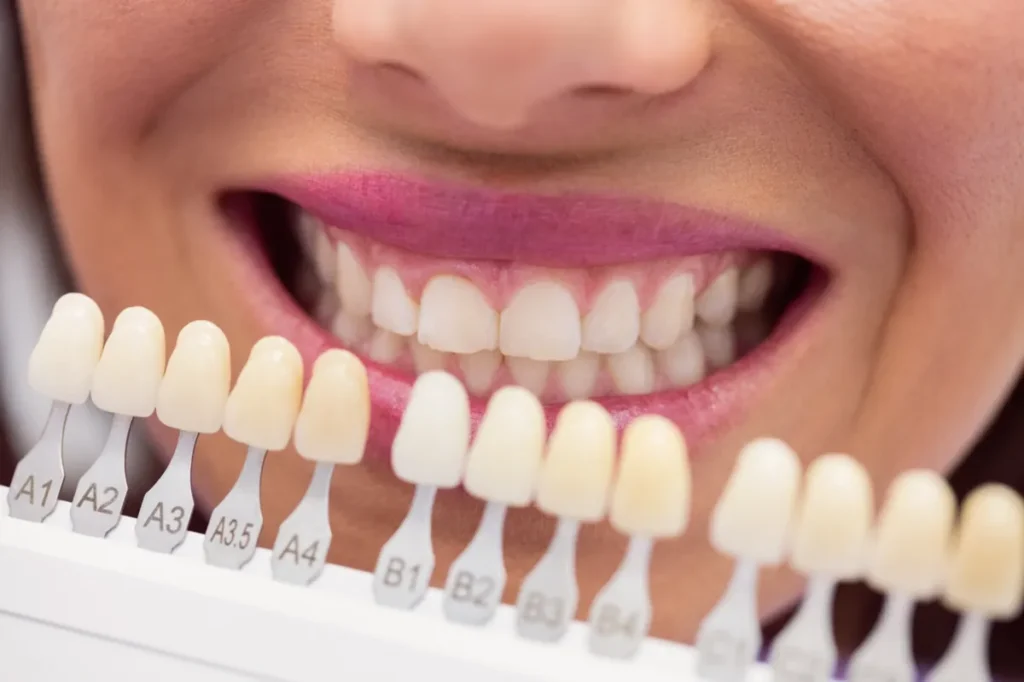
Teeth whitening is a cosmetic dental treatment that lightens the natural colour of your teeth by breaking down stains trapped in the enamel. It’s often chosen because it offers a simple, controlled way to brighten the smile without altering the teeth themselves.
Teeth whitening is not the same as dental cleaning. Cleaning removes plaque and tartar. Professional teeth whitening works on colour.
In simple terms:
Teeth whitening brightens what you already have; it doesn’t repaint the house. 😄
What Are the Benefits of Teeth Whitening?
Patients usually come in for whitening because they want a brighter smile, but the benefits often go beyond colour.
- A more youthful appearance
- Increased confidence in social and professional settings
- A cleaner, fresher smile, even with good oral hygiene
- A subtle but noticeable cosmetic boost without invasive treatment
It’s one of the simplest ways to look more refreshed without changing your face or your personality.
How Teeth Whitening Works (Without the Jargon)
Think of teeth whitening as a deep clean for colour, not a paint job.
Here’s what actually happens, step by step:
1. Whitening gels use peroxide:
This is the active ingredient used in professional teeth whitening and dentist-supervised treatments.
2. The gel moves into the enamel:
It slips past the surface to reach stains sitting inside the tooth.
3. Oxygen breaks stains apart:
The peroxide releases oxygen molecules that break stain particles into smaller, lighter pieces.
4. Your teeth look brighter:
Same teeth. Fewer stains. More confidence in the mirror.
That’s it. No drills. No drama.
Why Some Teeth Don’t Whiten Evenly (A Reality Check)
Not all teeth get the memo at the same speed. Whitening results can vary because of:
- Older fillings or crowns (they don’t change colour)
- Deep, internal staining
- Natural differences in enamel thickness
This is why a professional assessment matters, before expectations run off faster than the whitening gel.
So book your consultation now to get a better understanding of your case.
What Are The Options for Teeth Whitening in Singapore
If you’ve Googled teeth whitening in Singapore, you’ve probably noticed one thing:
There are a lot of options and a lot of very confident marketing.
In reality, most patients end up choosing from three main approaches.
The difference lies in speed, safety, and how predictable the results are.
Teeth Whitening Options At A Glance-
| Option | Effectiveness | Safety | Results | Supervision |
| In-clinic professional teeth whitening | High | Very High | Fast and noticeable | Dentist |
| Dentist-supervised home trays | Moderate-High | High | Gradual, controlled | Dentist |
| Over-the-counter kits | Variable | Low Moderate | Unpredictable | None |
If you’re still confused by the various whitening options or worried about sensitivity, let’s talk first.
Clear answers usually save time, money, and enamel.
How Is Professional Teeth Whitening Done?
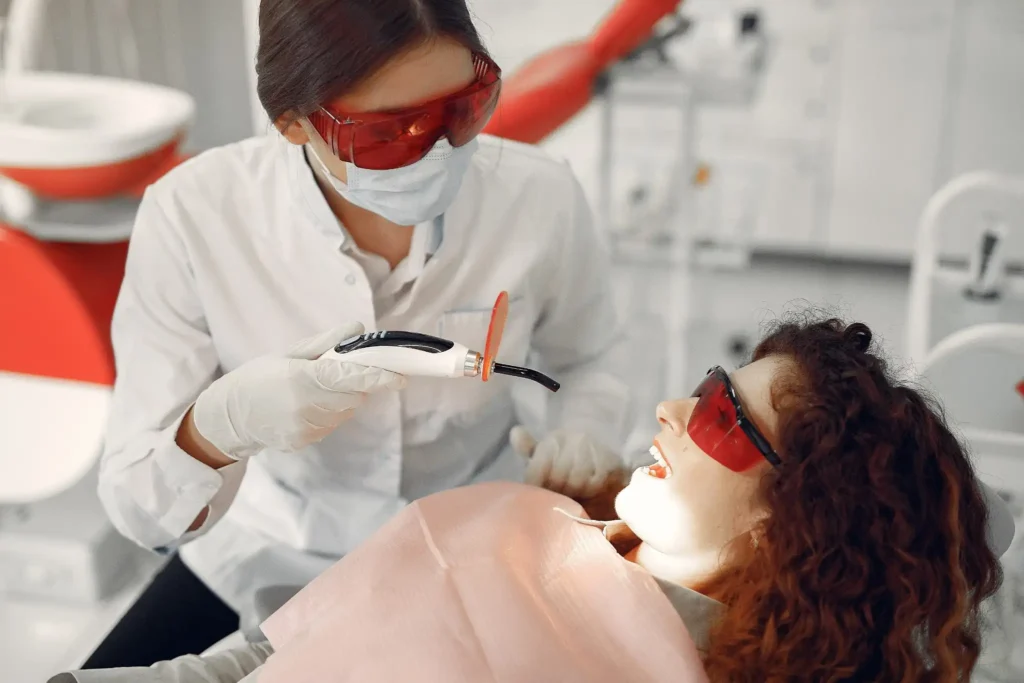
Despite what social media makes it look like, professional teeth whitening is not a mystery ritual.
It’s a very controlled, very sensible process, and no, nothing explodes.
Step 1: A Proper Assessment
Before anything is whitened, I check your teeth, gums, and any fillings or crowns. Whitening works best when we know exactly what we’re working with.
Step 2: Getting Things Ready
Your teeth are gently cleaned, and your gums are protected. Think of this as setting the stage so only the teeth get brighter, not the surrounding tissues.
Step 3: The Whitening Process
A professional-grade whitening gel is applied under carefully controlled conditions. This is where stains start lifting and teeth start behaving.
Step 4: Clear Aftercare Advice
You leave knowing what to eat, what to avoid, and how to keep your results looking good, without Googling at midnight.
No drama.
No surprises.
Just predictable, dentist-supervised teeth whitening done properly.
Is Teeth Whitening Safe? What Dentists Want You to Know
Yes, teeth whitening is safe when it’s done properly.
Let’s clear up the myths that usually cause unnecessary panic.
Myth vs Fact
Myth: Teeth whitening damages enamel
Fact: Professional teeth whitening does not damage enamel. Whitening gels work within the enamel to break down stains, they don’t strip or weaken the tooth.
Myth: Sensitivity means something has gone wrong
Fact: Temporary sensitivity is common, especially in the first 24–48 hours. It’s usually mild, manageable, and settles quickly. It’s irritation, not injury.
Myth: The stronger the gel, the better the results
Fact: More isn’t better. Overuse increases sensitivity and gum irritation without giving you whiter teeth. Teeth have a saturation point, and they respect it.
Myth: Anyone can whiten anytime
Fact: Cavities, gum disease, cracks, or exposed roots should be addressed before whitening. This is why a dental check matters more than the whitening product itself.
With proper assessment, correct technique, and sensible supervision, dentist-led teeth whitening in Singapore is very safe for most patients and far more predictable than trial-and-error kits.
How Long Does It Take to See Results?
It depends on how you whiten and how patient you’re feeling.
- In-clinic professional whitening:
Results are usually visible the same day. You walk in with one smile and walk out with a brighter one. - Dentist-supervised home trays:
Expect steady improvement over 1–2 weeks. Slower, gentler, and very controlled. - Over-the-counter kits:
Results range from “nice surprise” to “why did I bother?” and timelines are unpredictable.
If you want fast, noticeable results, professional teeth whitening tends to deliver the quickest.
If you prefer gradual change, home trays are perfectly respectable overachievers.
How Long Does Teeth Whitening Last?
Teeth whitening isn’t permanent but it doesn’t disappear overnight either. Think of it more like a haircut, not a tattoo.
Around 3 months:
Your teeth are still noticeably brighter. This is when lifestyle starts to matter; coffee, tea, wine, and smoking begin leaving gentle reminders.
Around 6 months:
Whitening results usually hold up well if you’ve been reasonably kind to your teeth. Good oral hygiene and the occasional coffee sacrifice help.
Around 12 months:
Most people benefit from a touch-up. Not because whitening has “failed,” but because teeth live real lives, just like you.
What affects longevity the most?
- Coffee, tea, red wine, and dark foods
- Smoking or vaping
- Oral hygiene habits
- Whether whitening was professionally done and maintained
With sensible care and periodic maintenance, professional teeth whitening results can last comfortably and predictably without drama or disappointment.
How Much Does Teeth Whitening Cost in Singapore?
Teeth whitening costs in Singapore vary, and not because one clinic uses “extra sparkly gel.”
Pricing depends on how the whitening is done, who supervises it, and what’s included.
General Price Ranges (Guide Only):
| Whitening Option | Estimated Cost |
| Take-home Whitening Kit | $450 |
| In-clinic Whitening | $1000 |
These are general ranges, not promises. Teeth whitening is personal, and the right option and cost depend on your teeth, your goals, and how safely you want to get there. Brighter teeth are great.
Predictable, healthy results are better.
Do’s and Don’ts After Teeth Whitening
What you do after teeth whitening matters almost as much as the treatment itself, especially in a city that runs on kopi, teh, and spicy food.
✅ DO’S
- Stick to lighter-coloured foods for 24–48 hours
Think rice, noodles, fish, eggs, and yoghurt. Boring? Yes. Temporary? Also yes.
- Use a sensitivity-friendly toothpaste
It helps calm nerves while your enamel settles.
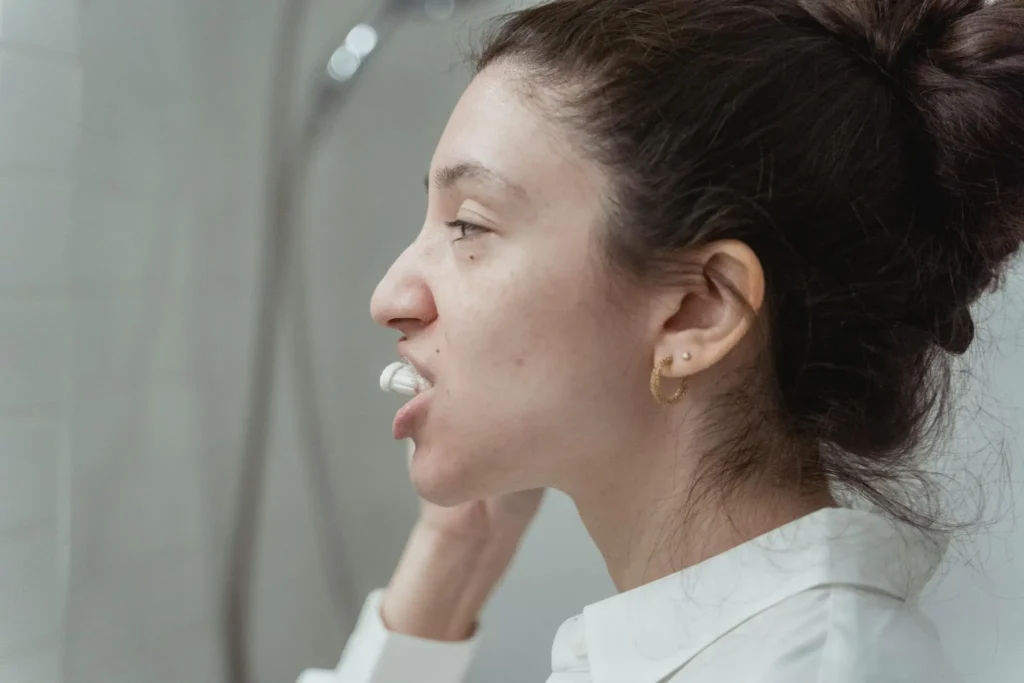
- Drink plenty of water
It rinses pigments away before they get comfortable.
- Follow your dentist’s aftercare advice
Not Reddit. Not TikTok. Your dentist.
❌ DON’TS
- Drink coffee, tea, red wine, or cola right away
This includes kopi, teh, bubble tea, and “just one sip.”
- Eat dark or spicy foods immediately
Curry, sambal, and chilli stains are enthusiastic and fast.
- Smoke or vape
Nicotine stains undo whitening results quicker than you’d think.
- Assume whitening replaces brushing and flossing
Whitening brightens teeth; oral hygiene keeps them that way.
Freshly whitened teeth are a bit like a white shirt on day one. Treat them gently at first, and they’ll stay brighter for much longer.
When Should You Speak to a Dentist About Teeth Whitening?
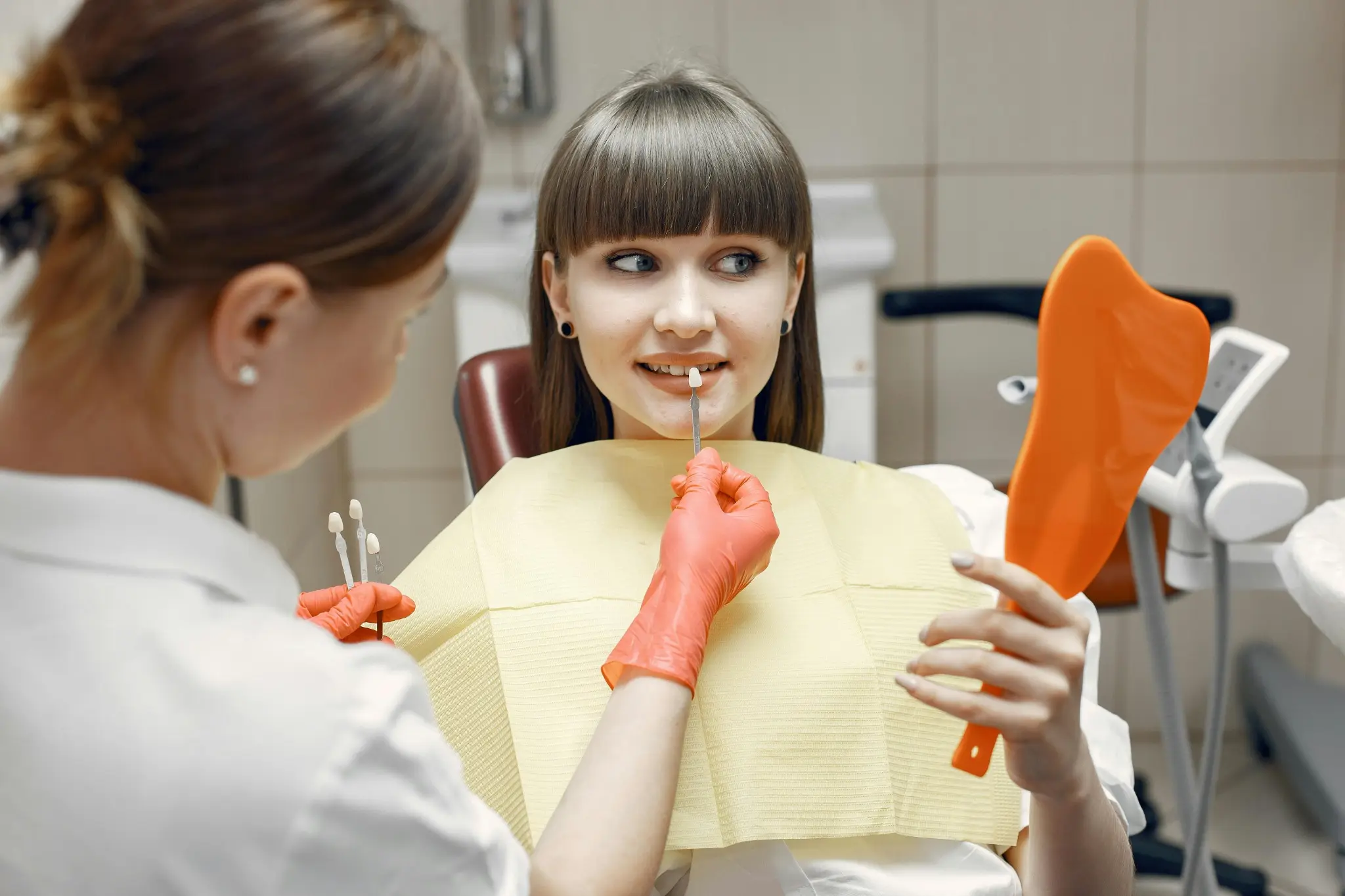
You don’t need a dental emergency to ask about teeth whitening, but a little guidance can save you guesswork (and sore teeth).
It’s worth speaking to a dentist if:
- You want predictable, natural-looking whitening results: Not surprise stripes or “why is that tooth still yellow?”
- You’ve experienced tooth sensitivity before: Whitening can be adjusted, but only if we know first.
- Over-the-counter whitening kits haven’t worked: That usually means the stain type needs a different approach.
- You’re unsure whether teeth whitening will actually help: Some discolouration responds well. Some don’t. An assessment makes that clear.
Professional advice helps you understand what’s safe, what’s effective, and what’s realistic for your teeth, before you invest time or money.
This is exactly what Dr. P focuses on whitening consultations; understanding your stain type, sensitivity risk, and expectations first, so your treatment plan makes sense for you, not just the trend.
Interested in teeth whitening in Singapore, but unsure which option makes sense for your teeth?
A simple consultation can save you time, money, and a few unnecessary “why does this hurt?” moments.
Book Your Appointment Now because your teeth prefer plans over surprises.
FAQ’s
Is it worth getting teeth whitened?
Teeth whitening is worth it for most patients when expectations are realistic and treatment is done properly. Professional whitening improves tooth colour safely and predictably.
Is teeth whitening painful?
Teeth whitening is not painful, but mild sensitivity can occur. Sensitivity is usually temporary and resolves shortly after treatment.
What teeth cannot be whitened?
Crowns, veneers, and fillings cannot be whitened. Some intrinsic stains inside the tooth also do not respond to whitening and may require cosmetic alternatives.
Do teeth go back to normal after whitening?
Yes, teeth gradually darken again over time without maintenance. Diet, smoking, and oral hygiene affect how long whitening results last.
What is the safest teeth whitening method?
Dentist-supervised professional whitening is the safest method. It protects enamel and gums while delivering controlled, effective results.
Can teeth whitening fix all stains?
No, teeth whitening does not fix all stains. Deep internal stains may need veneers, bonding, or crowns instead of whitening.
Does teeth whitening damage enamel?
No. Teeth whitening does not damage enamel when done correctly under professional guidance.
How many sessions do I need?
Most patients need either one in-clinic whitening session or 1–2 weeks of home whitening trays to achieve noticeable results.
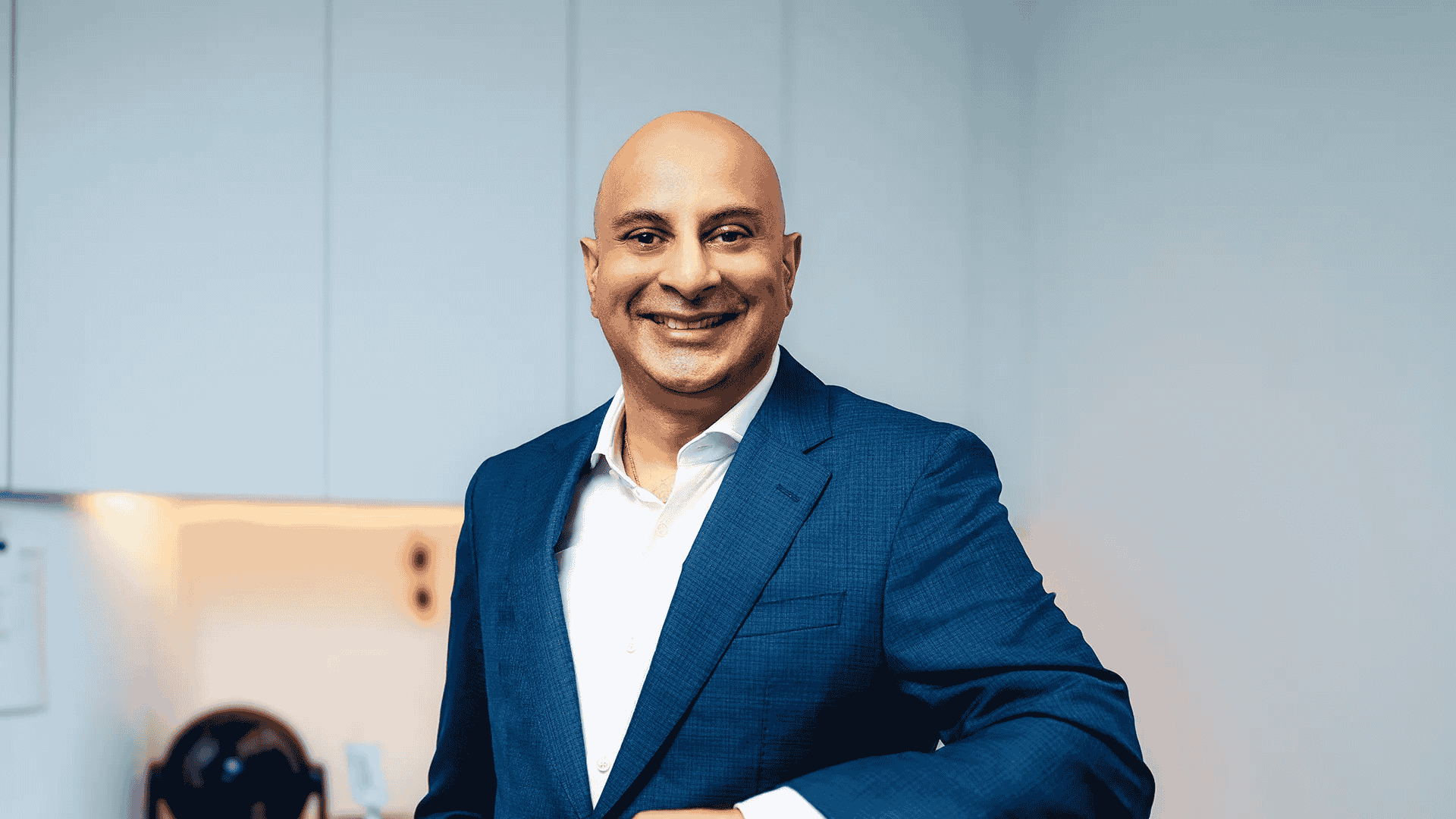
Dr. Prashanth Kanakamedala (BDS, MDS) is a Senior Dentist in Singapore with over 27 years of experience across the UK, Australia, and Singapore. Trusted by 8,500+ patients, he’s known for his gentle approach and dedication to helping every patient achieve a healthy, confident smile.